
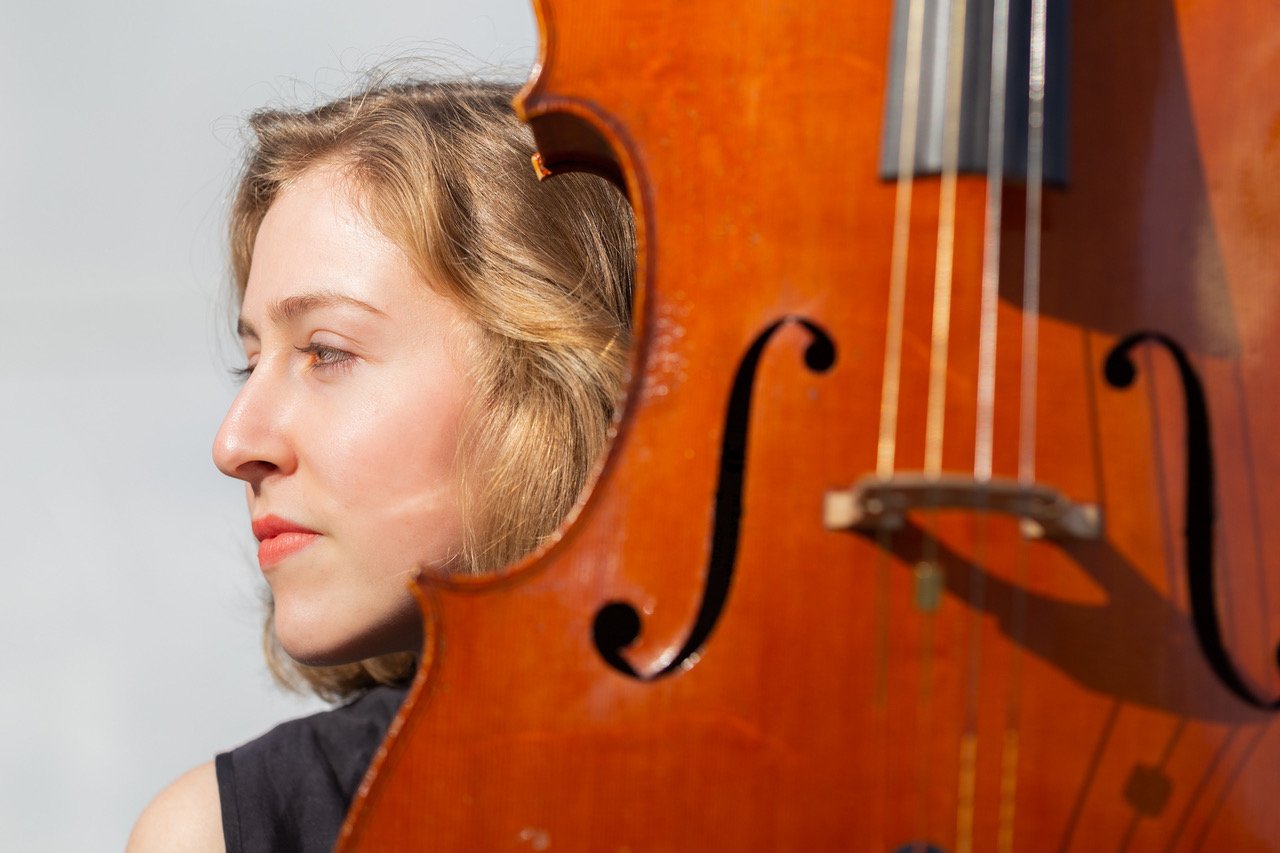
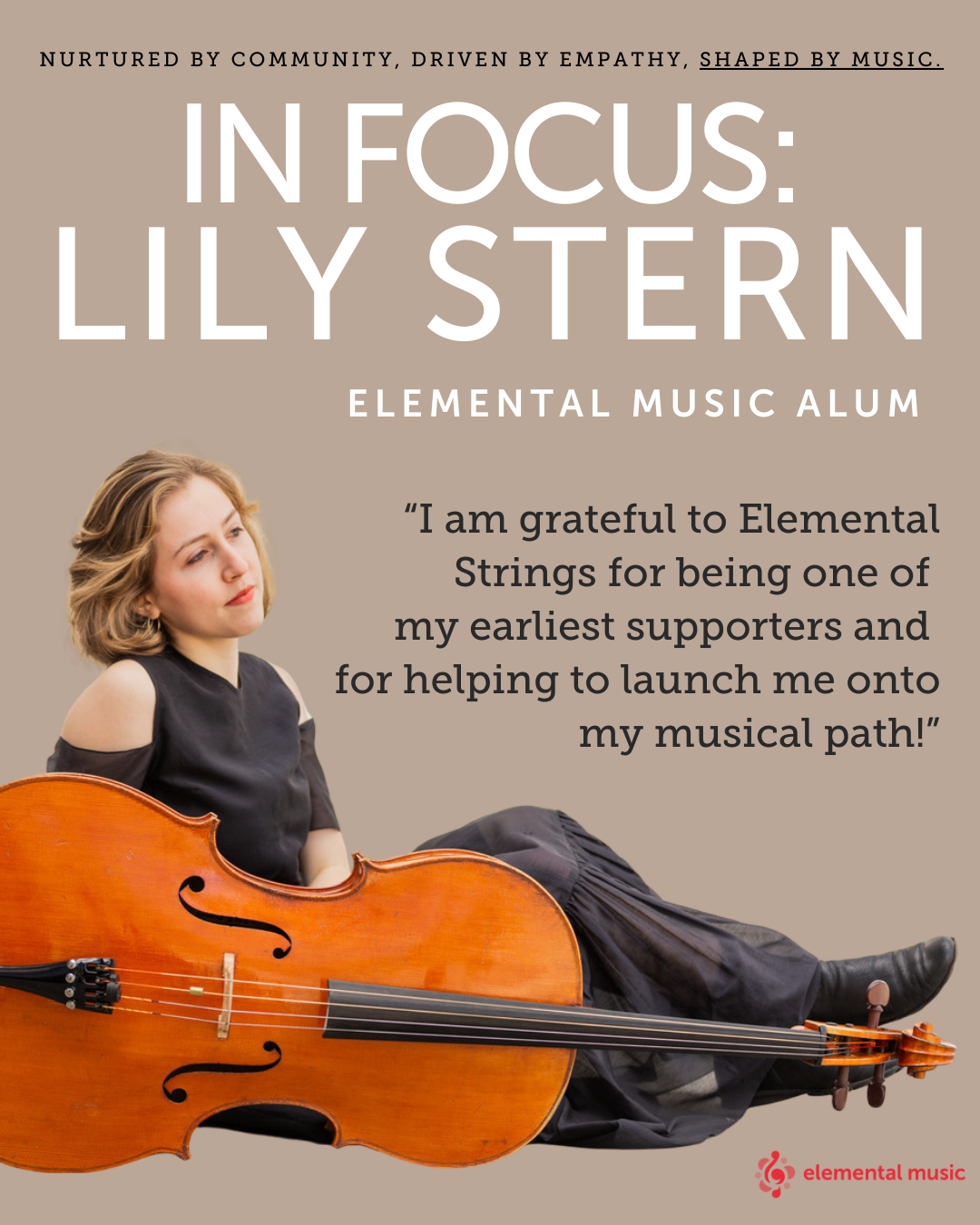
From early inspiration in Elemental Strings to her current research as a Fulbright scholar in Paris, Lily Stern has built a career centered on the power of music to connect people.
In our interview below, She shares how her Elemental Music experiences shaped her path and why she believes empathy through music can change lives.
Elemental Music: You grew up in Santa Monica. Can you tell us about how that environment shaped your early experiences playing the cello and with music as a whole?
Lily Stern: Santa Monica was the perfect place to grow up. My interest in cello was nurtured by the fantastic music program in the Santa Monica public schools as well as by enriching opportunities outside of school, like Elemental Strings. I found the Santa Monica musical scene to be both stimulating and nurturing. I feel fortunate that my studies in cello were never forced upon me – I practiced because I was inspired by my mentors and friends, and felt an innate love for the music. Moreover, it was the community I found through orchestra that played a key role in my musical development and really motivated me to stick with it. The sense of warmth and openness that I love about Southern California certainly manifested itself in the music scene. That is something I will always treasure about my hometown.
EM: What role do you think Elemental Strings played in your development as a musician?
LS: Elemental Strings laid the foundation for my career in music. It was an invaluable educational experience, as well as providing me with a sense of community. I still have very fond memories from my time working with Dr. Jo and performing at John Adams Middle School. Looking back, it was one of my first experiences in a supportive musical community that also provided a serious ensemble setting. I vividly remember orchestra sectionals, which enabled the cello section to bond and highlighted the responsibility we all had as individuals in supporting the group. I am grateful to Elemental Strings for being one of my earliest supporters and for helping to launch me onto my musical path!
EM: How did you find your way to music? You’ve mentioned that your father’s side is artistic, but can you tell us more about your own journey in regards to music and how it shaped you as a person?
LS: Most of my childhood memories are accompanied by music. Road trips and short errands in the car were always an opportunity to indulge in those auditory pleasures. From Bach to Marvin Gaye to Cesária Évora, my parents instilled in me a fundamental love of music. As I grew older, I eagerly searched for new artists and recordings on my own. Thus began a continual series of musical explorations, taking deep dives into a variety of genres, artists, composers, and musical periods. One month I listened to Ray Charles’ entire discography, and the next month I was onto Mahler symphonies. It was this early exposure to music that led to my love of and curiosity about music of all kinds.
The story goes that I began begging my parents to play cello when I was six, and they finally gave in when I was seven. When my parents asked me why cello, I responded that “I love the way it sounds.” So I began studying cello privately, then in school, and the rest is history.
EM: You’ve mentioned that you are passionate about how empathy through music can make the world a better place, and you yourself have been involved in various community projects, so what is the impact you hope to have with your studies? What is your goal?
LS: Currently, I am studying this topic as a Fulbright-Harriet Hale Woolley Scholar in Paris. My goal is to find a way to make concerts more accessible and meaningful for audiences, to enhance the sense of emotional connection listeners feel to the people behind the music. The educational concert at the culmination of my year here will be focused on sharing an enhanced understanding of the life circumstances of four French female composers and how that is reflected in their music. Through interactive elements, I will encourage the audience to compare their own life experience with that of the composers. I hope that this novel concert approach will facilitate audience resonance with the women, a mind to heart connection that fosters reflection, sensitivity, and unity.
Following this year in Paris, I hope to build an academic career that bridges research, teaching, and performing. I aspire to become a professor and pursue research in music and emotion. I plan to continue cello performance as a crucial component of my research and to work with arts organizations to create concerts and educational programs informed by this research. As a concertizing musician, I have devoted myself to the transformative experience of sharing new sounds and perspectives with audiences. In the next phase of my career, I aim to explore the scientific mechanisms behind this experience. I am convinced that this mind-to-heart connection induced by music is tied to empathy and desire for interpersonal connection. Empathy through music can provide a foundation for a meaningful life and a peaceful society. It is my mission to study and share these benefits with the world as both a performer and researcher.